
The Mental Health Benefits of Walking: Simple Steps to Reduce Anxiety
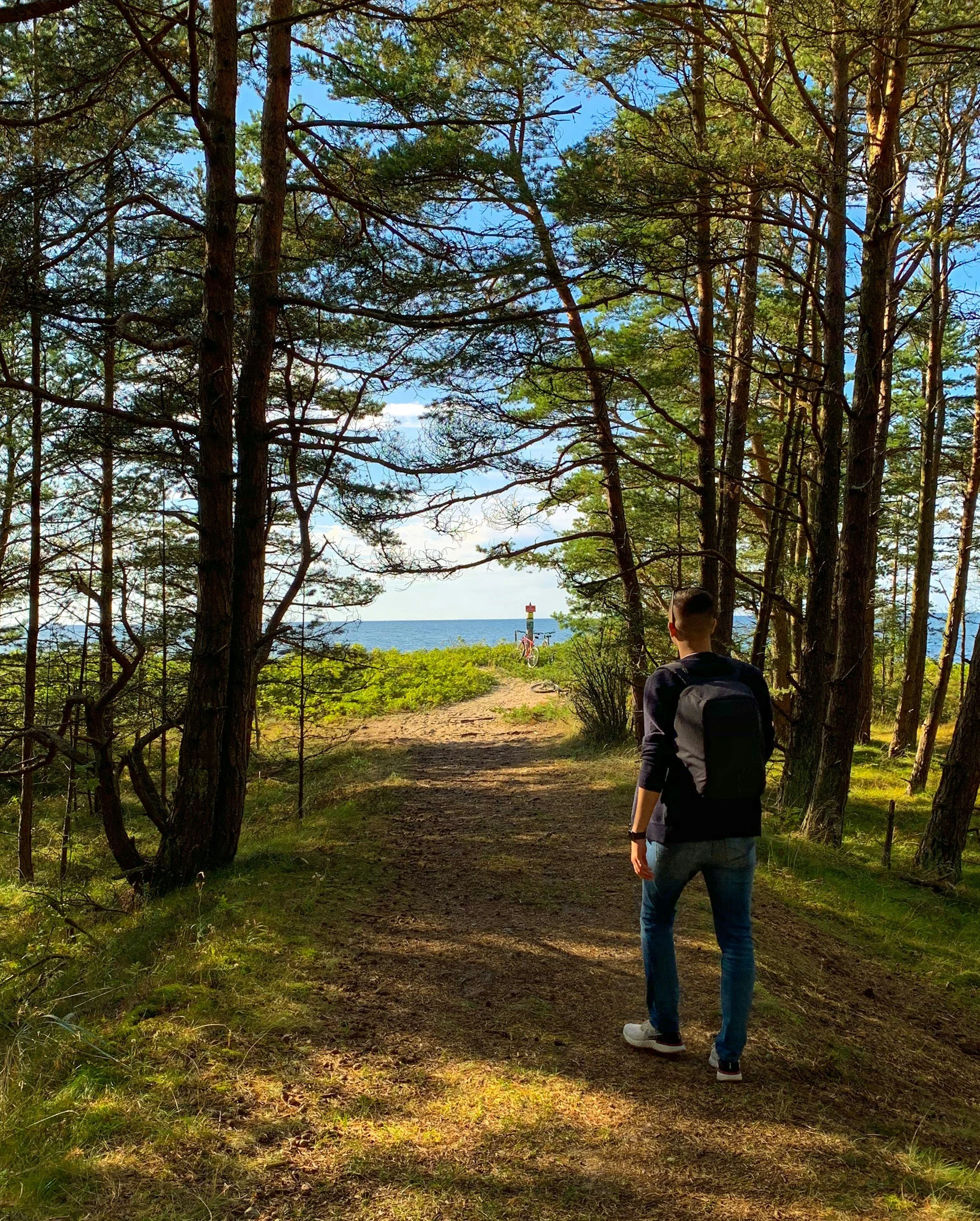
When we think about improving our mental health, many people imagine big lifestyle changes, complicated routines, or expensive solutions. But one of the most powerful tools you have is already within your reach — walking. It’s simple, free, and accessible to almost everyone. And for many of the men I work with at Strong Minds Counselling, it becomes one of the most grounding habits they ever build.
Why Walking Works for Everyone
Walking is universal. No matter your fitness level, age, or experience, you can start where you are. You don’t need special equipment or a gym membership. You just need a pair of shoes and a willingness to step outside.
For men who feel overwhelmed, stuck, or low in motivation, this matters. Walking offers an easy “entry point” into movement — and movement is often the first positive shift that sparks others.
The Outdoors Is One of the Best Places to Heal
Nature has a way of regulating our nervous system. When you step outside — even for ten minutes — your body responds:
- Your breathing deepens
- Your heart rate begins to settle
- Your muscles release tension
- Your brain switches out of “threat mode”
Research continues to show that spending time outdoors reduces cortisol (our stress hormone), improves mood, and increases feelings of calm. Many of my clients report that simply walking outside gives them the headspace to process emotions, slow down racing thoughts, or reconnect with themselves.
What the Statistics Say About Walking and Mental Health
Some key findings from recent mental health research include:
- Physical activity can reduce symptoms of depression by up to 30%, and walking is one of the most effective forms.
- Over 70% of people report a noticeable mood lift after walking outdoors, even for a short time.
- Anxiety symptoms often decrease within minutes of movement as your nervous system starts to regulate.
- People who walk regularly are less likely to experience severe depressive episodes and often report better sleep, more energy, and improved self-esteem.
These aren’t magic cures — but they’re meaningful, consistent benefits from something incredibly simple.
Walking Puts You Back in Control
Many men who seek counselling feel overwhelmed by factors they can’t control: work pressure, relationships, expectations, or their own thoughts. Walking cuts through that.
Every step is a choice you make.
You choose to move.
You choose to step outside.
You choose to take a moment for yourself.
That sense of control — even in small amounts — can be powerful. It helps shift your mindset from “I’m stuck” to “I can influence how I feel.”
How to Start (Even If You’re Not Feeling Motivated)
Here’s what I often encourage clients to do:
- Start with ten minutes. Don’t aim for an hour.
- Go somewhere you enjoy. A park, a quiet street, a coastal path — anywhere that lets you breathe.
- Leave your phone on silent. Create a break from the noise.
- Notice what you see. Trees, sky, colours, movement — awareness helps calm the mind.
- Use walking as a reset button. When stress rises, step outside and take just a few minutes.
Final Thoughts
Walking won’t solve everything — but it might be one of the easiest and most effective tools for improving your mental health. It’s accessible, grounding, and available whenever you need it.
If you're struggling with anxiety or feeling disconnected from yourself, walking can be a simple first step towards change. And if you want support alongside that, Strong Minds Counselling is here to help.
Take one walk this week. See how you feel.
Sometimes the smallest shift starts the biggest changes.